
Introduction: Navigating the Complexities of Warm Weather Canine Care
As the mercury rises and the days grow longer, dog owners across the globe prepare for a season of outdoor adventure. From coastal beach trips to mountain hikes, summer offers unparalleled opportunities for bonding with our canine companions. However, the very environment that invites us outdoors also harbors a series of complex, often invisible hazards that can turn a joyful outing into a medical emergency. To ensure comprehensive summer dog safety, owners must understand that dogs do not experience heat or environmental stressors the same way humans do. Their primary cooling mechanism—panting—is significantly less efficient than human sweating, leaving them vulnerable to rapid internal temperature spikes. This guide delves deep into the 10 most critical hidden dangers, providing the knowledge every responsible owner needs to protect their pet during the sweltering months.
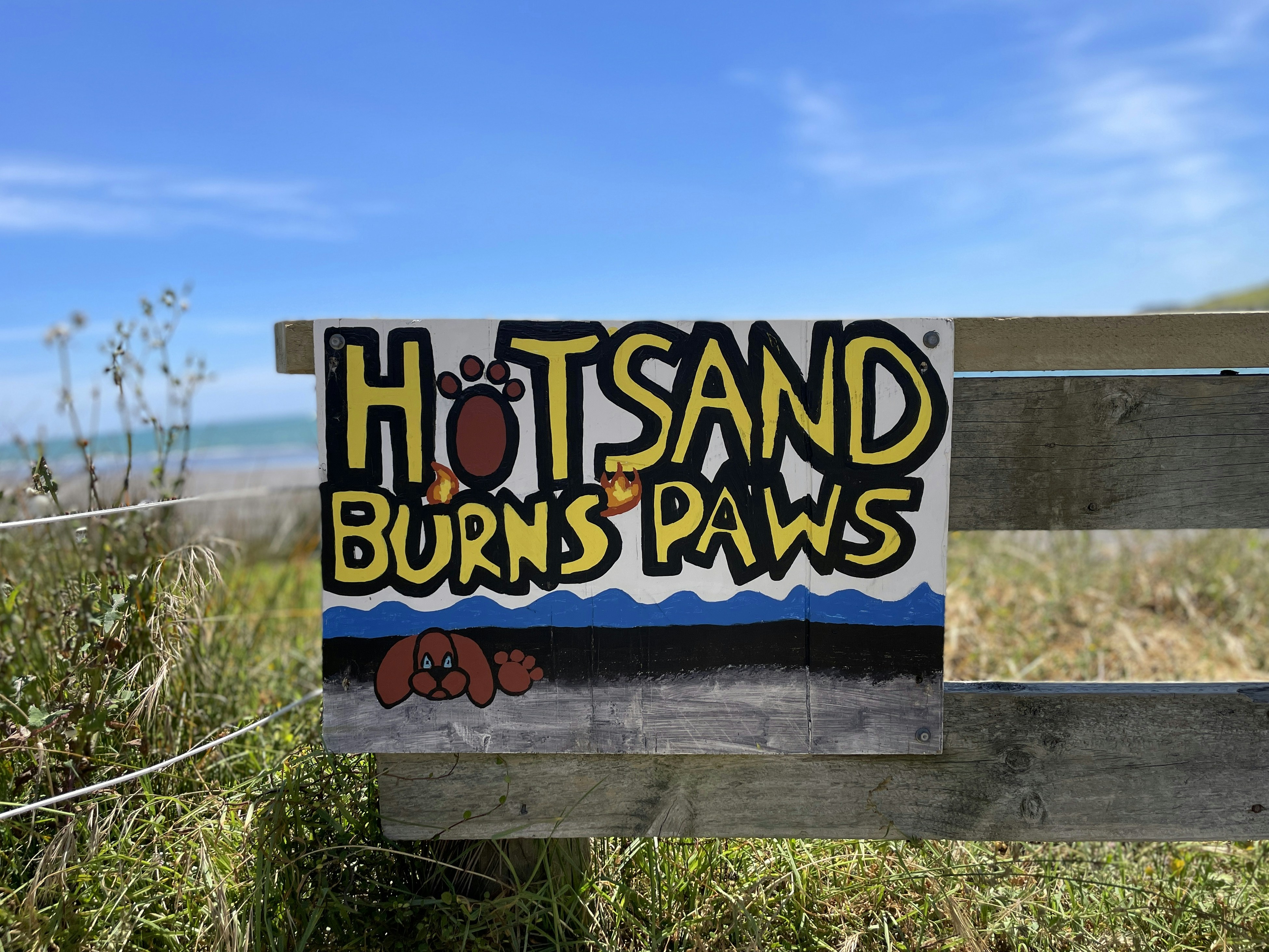
1. Hot Pavement: A Critical Risk for Paw Pads
One of the most common yet underestimated dangers of the season is the temperature of walking surfaces. While the air temperature might be a pleasant 77°F, direct sunlight can heat dark asphalt to a staggering 125°F or more. At these temperatures, skin destruction can occur in just 60 seconds. Protecting paw pads is vital as they are sensitive living tissue, and walking on such surfaces is akin to walking on a hot stove.
- The 5-Second Rule: Place the back of your hand on the pavement. If you can’t hold it for 5 seconds, it’s a “no-go” for your pup.
- Route Planning: Stick to grassy areas or shaded trails where the ground stays significantly cooler.
- Fashionable Protection: Invest in high-quality dog boots. Not only do they protect paws, but your dog will also look like they’re ready for a space mission.
- Timing is Everything: Walk during the early morning or late evening when the sun hasn’t had a chance to turn the street into a giant griddle.
2. Heatstroke: A Deep Dive into Hyperthermia
Heatstroke, or hyperthermia, is perhaps the most lethal threat a dog faces in summer. It occurs when a dog’s core body temperature rises above the normal range and the animal is unable to dissipate the heat. Be aware that once a dog’s temperature reaches 106°F, cellular damage begins.
- Know the Symptoms: Frantic panting, bright red gums, and thick, ropey saliva are major red flags.
- Cooling Down: Use room-temperature water to cool them. Ice-cold water can actually cause blood vessels to constrict, trapping heat in the core.
- Breed Awareness: Brachycephalic (flat-faced) breeds like Pugs and Bulldogs are the “VIPs” of heat risk—Very Important to Protect—due to their inefficient cooling systems.
- Hydration Stations: Always carry a portable bowl. If your dog is looking at your water bottle like it’s the Holy Grail, they’re already too thirsty.
3. Blue-Green Algae: The Silent Aquatic Killer
When the sun beats down on stagnant water, it creates the perfect breeding ground for blue-green algae. This is a type of bacteria that produces potent toxins. These toxins can be fatal within minutes.
- Visual Checks: If the water looks like someone spilled neon green paint in it, keep your dog away.
- Rinse Immediately: If your dog accidentally takes a dip, rinse them with fresh water immediately to prevent them from licking toxins off their fur.
- Fresh Water Only: Don’t let them drink from ponds. Your dog’s stomach is not a filtration system.
4. Dehydration: Fluid Dynamics in the Heat
Dehydration is a critical depletion of water and electrolytes. In the summer heat, dogs lose fluids rapidly through panting. Because dogs have a higher body-to-surface-area ratio than humans, they require constant monitoring.
- The Skin Turgor Test: Gently pinch the skin on the back of the neck. If it doesn’t snap back like a rubber band, your dog needs water ASAP.
- Check the Gums: Sticky or dry gums are a sign that the “water tank” is running low.
- Electrolyte Support: Consult your vet about pet-safe electrolyte additives for particularly active summer days.
5. Bee and Wasp Stings: From Irritation to Anaphylaxis
The vibrant blooms of summer attract pollinators and curious dogs. While a single sting is usually just a nuisance, a dog’s health can be compromised by multiple stings or allergic reactions.
- Facial Swelling: If your dog starts looking like a cartoon character with a swollen snout, it’s time for an emergency vet visit.
- First Aid Kit: Keep a pet-safe first aid kit handy, and ask your vet about the correct dosage of antihistamines for your dog’s weight.
- Curiosity Management: Train a solid “leave it” command to prevent your dog from trying to eat the “spicy sky raisins.”
6. Foxtails and Grass Awns: The Biological Needle
Foxtails are dried seed heads prevalent in summer. They are shaped like one-way needles with barbs that burrow through skin.
- Post-Walk Inspection: Check between the toes, in the ears, and around the armpits after every walk.
- Sneezing Fits: If your dog starts sneezing like they’re trying to power a jet engine, a foxtail might be stuck in their nose.
- Grooming: Keeping fur trimmed short around the paws can help you spot these hitchhikers before they burrow.
7. Lawn Chemicals and Fertilizers: The Toxic Greenery
The chemicals used for lush green lawns can be devastating for pets. Read all labels and keep dogs off treated grass for at least 48 hours.
- Paw Hygiene: Wipe paws after every walk to prevent the ingestion of chemical residues.
- Organic Alternatives: If you’re the one gardening, opt for pet-safe fertilizers. Your lawn will look great, and your dog will stay healthy.
- Signage Awareness: Pay attention to those little yellow flags on neighborhood lawns—they aren’t just for decoration.
8. Pool Chemicals and Chlorine: The Chemistry of Swimming
Swimming is a great way to cool down, but pool chemicals present risks. Chlorine can strip natural oils and irritate skin.
- Post-Swim Rinse: Always give your dog a fresh-water shower after they leave the pool to remove chlorine.
- No Drinking: Discourage pool-water drinking. It’s a swimming pool, not a giant cocktail.
- Ear Care: Dry your dog’s ears thoroughly after swimming to prevent painful infections.
9. Barbecue Foods: A Culinary Minefield
Many barbecue foods are toxic to dogs. Onions and garlic can cause anemia, while grapes can lead to kidney failure.
- The “No Scraps” Policy: Tell your guests that feeding the dog is strictly forbidden, no matter how much the dog perfects the “starving orphan” look.
- Trash Security: Secure your trash cans. A discarded corn cob can cause a life-threatening intestinal blockage.
- Safe Treats: Provide a bowl of dog-safe veggies like carrots so they can participate in the festivities safely.
10. Sunburn: Protecting the Canine Integumentary System
It is a myth that fur provides total protection against the sun. Dogs can get sunburned, leading to skin cancer.
- Target Areas: Apply pet-safe sunscreen to the nose, ear tips, and belly.
- No Human Products: Never use human sunscreen containing zinc oxide—it’s toxic if licked.
- Shade is Your Best Friend: If you’re at the beach, bring a tent or umbrella. Your dog deserves a VIP lounge too.
Frequently Asked Questions (FAQ)
1. How can I tell if the pavement is too hot for my dog?
The most reliable method is the “five-second rule”: place the back of your hand firmly on the pavement. If you cannot hold it there for five seconds without pain, the surface is hot enough to cause second-degree burns to your dog’s paw pads. Always check both asphalt and concrete, as dark asphalt absorbs significantly more heat.
2. What are the first signs of heatstroke in dogs that I should look for?
The earliest indicators are frantic, heavy panting and a bright red, enlarged tongue. You may also notice thick, ropey saliva, a rapid heart rate, and a “glazed” look in their eyes. If the dog becomes wobbly, vomits, or collapses, they have moved into a critical stage of heatstroke and need immediate emergency care.
3. Is it safe for my dog to swim in any lake or pond during the summer?
No, it is not always safe. During hot, dry spells, stagnant water can develop blue-green algae (cyanobacteria) blooms which are highly toxic. Always look for “pea soup” or “spilled paint” appearances on the water. If the water has a foul smell or there are dead fish nearby, keep your dog away at all costs.
4. Can I use my own human sunscreen on my dog’s nose and ears?
Absolutely not. Human sunscreens often contain zinc oxide or PABA, both of which are toxic to dogs if they lick the area. Only use sunscreens specifically formulated for pets, which are free from these harmful chemicals and designed to be safe even if ingested in small amounts.
5. What should I do if my dog eats a barbecue scrap like an onion or a bone?
First, identify exactly what was eaten and how much. Onions and garlic are toxic and can cause anemia, while cooked bones can splinter and puncture the digestive tract. Contact your veterinarian immediately; they may advise you to induce vomiting or bring the dog in for an X-ray to check for potential obstructions.
Conclusion: A Safe Summer for Your Pup
Summer should be about chasing frisbees and enjoying the sunshine, not emergency vet visits. By staying vigilant, keeping the “spicy sky raisins” at bay, and respecting the power of the sun, you ensure your dog stays as cool as a cucumber (which, by the way, is a great hydrating snack!). Remember, your dog relies on you to be their advocate in the heat. Keep the water flowing, the paws protected, and the tail wagging. Here’s to a safe, breezy, and burn-free summer for you and your best friend!
Paws and Reflect: Explore More!
Loved these tips? Don’t stop here! Our blog is packed with expert advice on everything from nutrition to seasonal care. Check out our full blog library to discover more ways to keep your furry friend happy, healthy, and thriving in every season!