
Disclaimer: This post contains affiliate links. If you click a link and make a purchase, I may receive a small commission at no extra cost to you. I only recommend products I truly believe will help your senior dog.
Introduction: Understanding Senior Dog Mobility and Joint Health
As our beloved canine companions age, their bodies undergo a series of natural changes that can significantly impact their senior dog mobility. It is imperative for dog owners to stay vigilant regarding these changes to ensure their pets receive the care they require. Many senior dogs, often viewed as unmatched sources of joy and comfort, may begin to exhibit signs of mobility issues in dogs that can lead to discomfort and distress. Understanding these signs is crucial in maintaining a harmonious relationship between the dog and the owner.
The bond shared between humans and dogs is characterized by companionship, loyalty, and unconditional love. However, as dogs transition into their senior years, they may face various health challenges, including dog arthritis, decreased muscle strength, and joint pain in dogs. Such conditions can lead to mobility limitations that, if not addressed, can affect the overall quality of life for both the dog and the owner.
It is essential to recognize that mobility issues can manifest in various ways, often subtly at first. Owners may notice their once-active dogs hesitating to jump or play, or they may experience difficulty navigating stairs. These signs of stiff joints in dogs should not be overlooked, as they can signify the onset of serious health concerns. Dog owners who remain attuned to these changes can make necessary adjustments, advocating for increased support, whether it be through veterinary consultations, therapeutic measures, or lifestyle modifications that cater to their dog’s evolving needs.
In the upcoming sections, we will explore critical warning signs of mobility issues in senior dogs, emphasizing the importance of early detection and proactive care. Being informed is the first step toward ensuring our furry friends continue to lead happy, fulfilling lives as they age.
Common Warning Signs of Mobility Issues in Senior Dogs
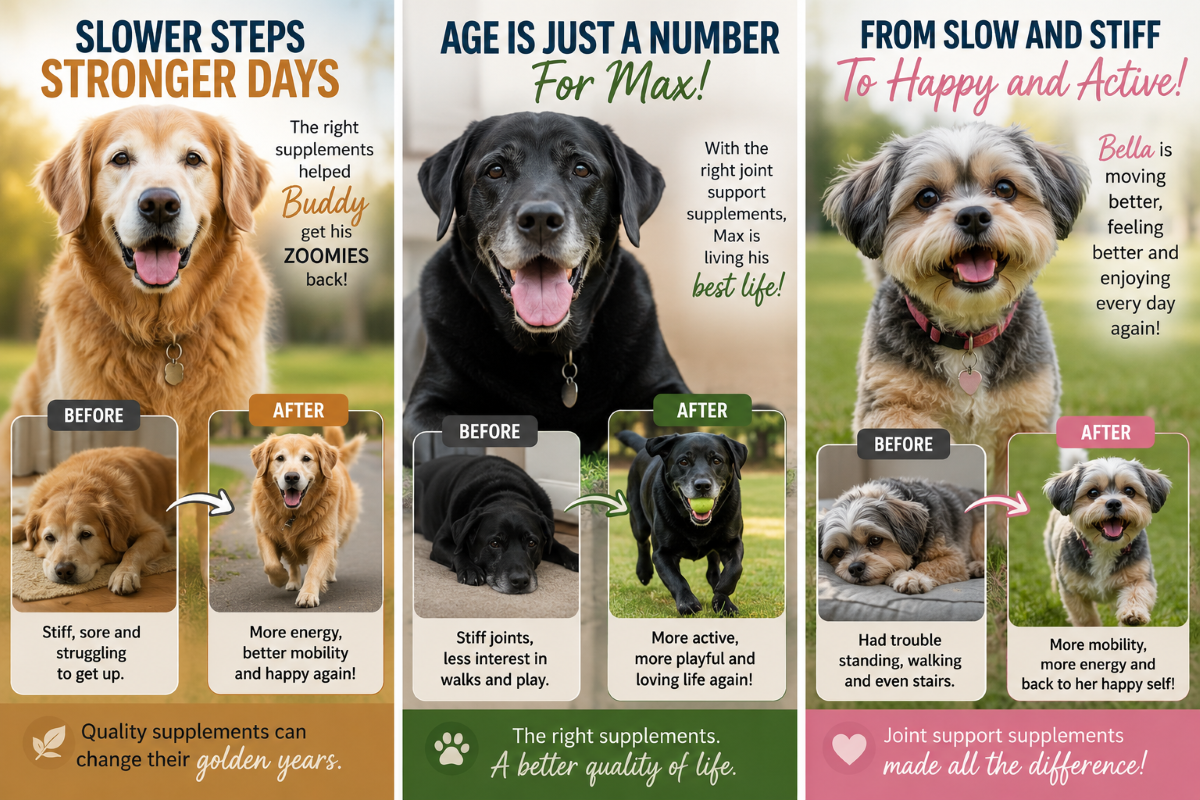
As dogs age, it is not uncommon for them to experience mobility challenges. Owners should be attentive to these common warning signs that may indicate their senior dogs are struggling to get around and may be suffering from canine joint discomfort:
- Limping or Gait Changes: A noticeable change in how your dog walks, which may become more pronounced after physical activity, often a sign of dog hip and joint issues.
- Reluctance to Walk or Play: Shying away from activities they once enjoyed, such as evening walks or playing fetch, which can indicate age-related mobility decline.
- Stiffness and Unsteady Movement: A wobbly or hesitant gait, often resulting from arthritis in older dogs or underlying health problems.
- Difficulty Getting Up or Lying Down: Visible discomfort or hesitation when changing positions, which is a classic symptom of joint stiffness.
- Behavioral Changes: Increased restlessness, whining, or vocalizing pain, especially during the night, indicating they need joint support for dogs.
Recognizing these signs of mobility issues in senior dogs is crucial, as early intervention can significantly improve their quality of life. Addressing these concerns with a veterinarian can lead to appropriate treatment options and support for beloved pets.
The Impact of Mobility Issues on Your Dog’s Quality of Life
Mobility issues in senior dogs can significantly affect their quality of life, with profound implications for their physical, emotional, and mental health. As dogs age, common challenges such as hip dysplasia in dogs or arthritis may hinder their ability to move freely, leading to chronic pain. An inability to engage in regular activities like walking, playing, or even finding a comfortable resting place can diminish their physical well-being and overall vitality.
Moreover, dogs are social creatures that thrive on interaction. When limited dog mobility restricts their independence, it can lead to a sense of isolation. For instance, a once-active dog may become hesitant to venture out due to pain, creating a gap in their routine. This loss of independence can trigger feelings of anxiety or depression, as the dog may feel helpless. By actively managing a senior dog’s joint health, be it through physical therapy or specialized support equipment, pet owners can enhance their furry companions’ quality of life.
Solutions and Support: Enhancing Your Senior Dog’s Mobility
As dogs age, they often face various mobility challenges. It is essential for dog owners to take proactive measures to support their beloved pets. One effective approach to enhancing your senior dog’s mobility is through targeted joint supplements for dogs. Here are three highly-regarded products designed to help aging joints:
- VetriScience Extra Strength Hip & Joint Supplement: A powerful formula that provides advanced support for dogs showing signs of significant joint distress. It uses high levels of Glucosamine, MSM, and Chondroitin to help maintain joint flexibility.
- Senior Advanced Glucosamine Chondroitin Joint Supplement: Specifically tailored for the unique needs of older dogs, this supplement focuses on cartilage support for dogs to keep joints lubricated.
- Nutramax Cosequin for Senior Dogs Joint Health Supplement: A veterinarian-recommended brand known for its high-quality ingredients that help support cartilage production and protect against breakdown.
In addition to natural joint support, physical therapy can play a vital role. Canine physical therapists offer tailored exercises aimed at strengthening muscles and enhancing flexibility. Moreover, simple lifestyle adjustments such as providing non-slip flooring, dog ramps, and orthopedic dog beds can greatly alleviate joint pressure and prevent injury.
Conclusion: A Journey of Care and Compassion
Navigating the senior years with your dog is a journey that requires patience and deep compassion. While senior dog mobility issues are a natural part of aging, they don’t have to define your dog’s golden years. By staying vigilant for early warning signs and taking proactive steps—from joint supplements to simple home modifications—you can significantly enhance your companion’s comfort and happiness.
Remember, your dog relies on you to be their advocate. Regular veterinary check-ups and a supportive environment are the greatest gifts you can give back to a friend who has given you a lifetime of loyalty. With the right care, your senior dog can continue to enjoy a fulfilling, active, and joyful life by your side for years to come.